Rewiring the Forest Homes That Wiring Time Forgot
A lot of Forest’s older ranches and farmhouses off Perrowville and out toward New London still run on wiring installed decades ago, aluminum branch circuits, ungrounded two-prong outlets, or knob-and-tube in the oldest houses. HOLISTIQ replaces it with modern, grounded, code-compliant wiring, one room at a time or the whole house. Josh Smith is a master-licensed electrician and a Navy veteran, and the man who quotes the job is the man who does it.
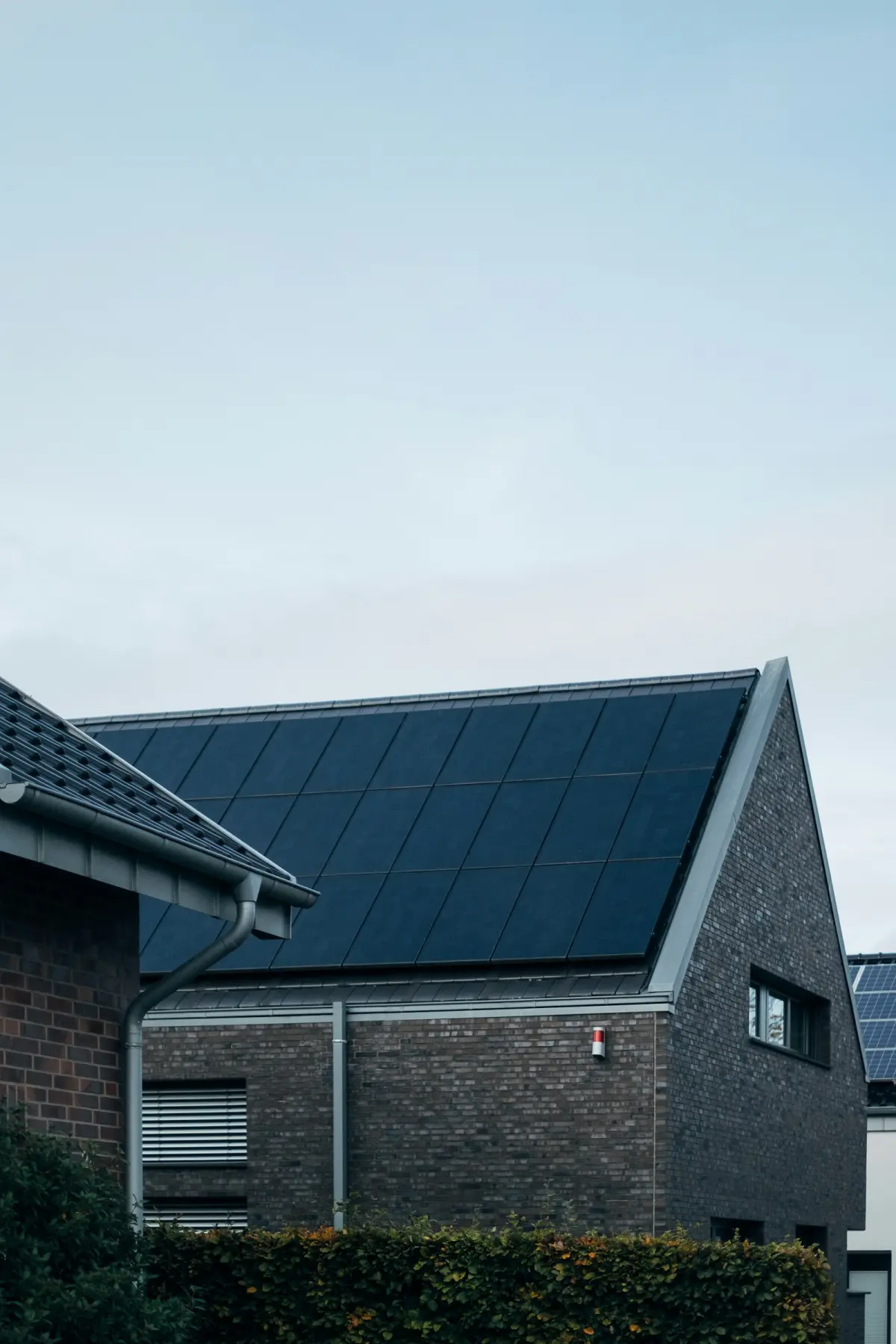
Old wiring does not announce itself until it fails, and by then it is a flickering circuit, a warm outlet, or worse. Rewiring an older Forest home replaces the hidden risk behind the walls with wiring built for how a house actually runs today.
Forest has a good stock of older homes, the ranches, split-levels, and farmhouses that predate the Route 221 build-out. Many of them are solid houses with an electrical system that has quietly aged past its safe service life. The three things we replace most often here are aluminum branch wiring from the 1960s and 1970s, ungrounded two-prong wiring with no ground path, and in the oldest houses, original knob-and-tube.
Aluminum branch circuits are the one that surprises homeowners. Aluminum expands and contracts more than copper, and over decades the connections at outlets and switches loosen, corrode, and heat up. That heat at a loose connection is a documented fire risk. We remediate aluminum wiring the right way, either replacing the branch runs or, where full replacement is not practical, using approved connectors at every device to make the terminations safe.
Ungrounded wiring is the other common find. If your Forest home has two-prong outlets throughout, there is no ground path protecting you or your electronics. A rewire replaces those circuits with modern grounded wiring, adds GFCI and AFCI protection where code requires it, and brings the whole system up to a standard that passes inspection and protects the house.
Aluminum wiring, knob-and-tube, and doing it without gutting the house
The fear every homeowner has about a rewire is that it means tearing every wall open, and a careful electrician avoids most of that.
A full rewire does not have to mean demolition. We fish new wiring through existing wall and ceiling cavities wherever the framing allows, making small, patchable access openings instead of opening whole walls. On most Forest homes we can replace the great majority of the wiring with a manageable amount of drywall repair, and we tell you honestly up front where the house will need more openings so there are no surprises.
We also do this in stages when that fits the household better. If living through a whole-house rewire at once is not workable, we can phase it, starting with the highest-risk circuits, the aluminum runs, the kitchen and bath, the panel, and moving through the rest on a schedule that works for you. Whether it is one job or several, the work is permitted through Bedford County and inspected. Here is what a Forest rewire typically addresses:
- Aluminum branch-circuit remediation or replacement
- Knob-and-tube removal in the oldest homes
- Ungrounded two-prong circuits replaced with grounded wiring
- GFCI and AFCI protection added where code requires
- Bedford County permit pulled and inspection scheduled
Why Forest homeowners trust this work to HOLISTIQ
Find out what your older Forest home actually needs.
We inspect the wiring, tell you straight what is safe and what is not, and give you a free quote before anything opens up. You talk to the electrician doing the work, start to finish.
When a rewire pairs with a panel upgrade, and why the paperwork matters
A home old enough to need rewiring very often has a panel that is undersized or outdated at the same time, and it usually makes sense to do both together. If we are already in the walls and at the panel, upgrading the service to 200 amps while we rewire means one permit window, one inspection cycle, and one power-out coordination with Appalachian Power instead of two separate projects months apart. We tell you honestly whether your home needs both or just one.
Every rewire we do runs through a Bedford County permit and an inspection, and that documentation matters more on a rewire than almost any other electrical job. Older homes get flagged for aging wiring during a sale, and unpermitted electrical work is a red flag to a buyer’s inspector. A permitted, inspected rewire is the opposite: a documented upgrade that makes the house safer to live in and cleaner to sell. We hand you the signed paperwork when the job is done.
Forest has an unusual spread of housing that keeps rewire work varied. There are the mid-century homes closer to the old village that still carry cloth-wrapped or aluminum branch wiring, and there are 1980s and 1990s houses whose wiring is sound but whose circuit count never planned for today’s loads. A true rewire is for the former; the latter often just needs new dedicated circuits and grounded outlets in the kitchen and baths rather than a full pull. Part of the walkthrough is telling you honestly which camp your Forest house falls in, because a homeowner should not pay for a whole-home rewire when a targeted upgrade does the job.
Common questions on Forest whole-home rewiring
How do I know if my Forest home needs rewiring?
Warning signs include two-prong ungrounded outlets throughout, a panel with aluminum branch wiring, flickering lights, warm outlets or switch plates, frequent breaker trips, or a cloth or knob-and-tube system in an older house. We inspect the wiring and tell you straight what is safe, what needs attention, and what can wait.
Is aluminum wiring dangerous?
Aluminum branch wiring is a known fire risk when its connections loosen and heat up over time, which they do. It is not an emergency in every house, but it should be remediated. We either replace the branch runs or use approved connectors at every device to make the terminations safe, depending on your home and budget.
Do you have to tear open all my walls to rewire?
No. We fish new wiring through existing cavities wherever the framing allows and make small, patchable openings rather than opening whole walls. On most Forest homes we replace the majority of the wiring with a manageable amount of drywall repair, and we flag any spots that need more access before we start.
Can a rewire be done in stages?
Yes. If living through a full rewire at once does not work for your household, we phase it, starting with the highest-risk circuits like aluminum runs, the kitchen, and the bath, then moving through the rest on a schedule that fits you. Each phase is permitted and inspected.
Should I upgrade the panel at the same time?
Often, yes. A home old enough to need rewiring frequently has an undersized or outdated panel too. Doing both together means one permit, one inspection cycle, and one power-out coordination with Appalachian Power instead of two separate projects. We tell you honestly whether you need both.
Can we stay in the Forest house while you rewire it?
In most cases yes, especially if we phase the work. A rewire is disruptive, but it does not mean the whole house goes dark for weeks. We work circuit by circuit and section by section, keeping power live to the rooms we are not touching that day, and we schedule the short full-power-down windows for the panel tie-ins around your household. For families that would rather not live through the dust and the drop cloths, we can also compress the work when the house is empty, and either way you get a clear day-by-day plan up front so there are no surprises about which rooms are down when.
Ready to Get Started?
Contact HOLISTIQ Building Systems and Services LLC today for a free, no-obligation quote. We look forward to working with you.