Smith Mountain Lake Commercial Electrical
A marina, a rental office, a restaurant with a deck over the water: these are businesses whose whole year is decided between Memorial Day and Labor Day, and none of them can afford a dark weekend. HOLISTIQ wires the commercial side of the lake economy, from service gear that has to survive weather at the water to backup power that keeps a Saturday running. Josh Smith walks the property, writes the scope, and does the work.
Businesses That Live on a Summer
Twenty two thousand acres of water and better than five hundred miles of shoreline support a working economy, and almost all of it is compressed into a handful of warm months. The marina that hauls and launches, the rental company turning over cabins every Friday, the ice cream window, the dockside kitchen, the boat repair shop, the storage yard full of trailers: every one of them earns a year’s money in a season and then goes quiet. That single fact drives every electrical decision we make out here.
It changes what a fault costs. A blown feeder at an office park is an annoyance on a Tuesday. The same fault at a lake business on the Fourth of July weekend is the difference between a good year and a thin one, because the customers who showed up that day are not coming back the following Wednesday to try again. So we design and repair around the peak rather than around the average, and we say plainly what a piece of equipment will and will not carry when the place is full.
It also changes who we talk to. Owners here are frequently running two or three operations at once, or living somewhere else for half the year, or both. We keep the conversation short and specific, put the scope and the price on paper, and do not need anyone standing on site to supervise. That is how HOLISTIQ has always worked, and the lake happens to be where it matters most.
We Schedule Around Your Season
Most contractors schedule by the calendar week. Out here we schedule by the season, which means the honest answer to “when can you do this” is usually October through April. That window is when a marina can lose a slip circuit for two days, when a restaurant can shut a kitchen down and let us pull new branch circuits properly, when a rental operation has empty units and nobody is checking in at four o’clock. Work planned into the quiet months is cheaper, cleaner, and finishes without anyone watching.
What that requires from an owner is thinking about next summer in the fall, which is exactly when nobody wants to think about it. Our answer is a walkthrough at the end of a season, while the failures of the past few months are still fresh. Whatever tripped, whatever ran hot, whatever got patched to survive to Labor Day gets written down, and we build a plan for the off months rather than a scramble in June.
None of that means the summer is off limits. Plenty of the work we do in July is unavoidable, and we will sequence it into the early morning, into a closed day, into whatever hours you actually have. Emergency work never waits for a season. It just costs less to be ready than to be rescued, and the off months are where readiness gets built.
Service Gear at the Water
Equipment near the water lives a shorter life than the same equipment three miles inland. Humidity sits in enclosures, wind drives rain sideways into anything facing the open lake, and the temperature swings that come with sitting on twenty two thousand acres of water pull moist air into panels every night and push it back out every morning. Panels rust from the inside, connections oxidize, and a breaker that has been damp for six winters does not trip when you need it to.
So the specification matters more here than it does anywhere else in our service area. Enclosures rated for the exposure, gasketed and mounted so water is shed rather than caught. Corrosion resistant hardware. Conductors and terminations chosen with the environment in mind, not just the load. Weather hardened service equipment on the exposed side of a building and standard gear where it is genuinely sheltered, because paying for marine grade everywhere is money that could have gone into backup power instead.
The other half is looking at it. A commercial service on the shoreline should be opened, inspected and thermally checked on a schedule, not when something fails. We pull covers, look for the discoloration and the corrosion that show up long before an outage does, and hand you a written list of what needs attention this year and what can wait. That inspection is the single highest-value hour we spend at a lake business.
Backup Power for a Business That Cannot Close
Storms cross the lake with nothing to slow them down. Open water gives wind a clean run at the shoreline, and the wooded slopes around the coves put trees within falling distance of the lines that feed most of the businesses here. Outages measured in hours are routine and outages measured in days happen. For a household that means a rough weekend. For a business it means refrigeration warming up, a point of sale that will not take a card, pumps that stop, and a parking lot of people who came for something you can no longer sell.
Backup design for a commercial property starts with a real conversation about what has to stay alive. Walk-in coolers and freezers and the product inside them. Well and sewage pumps, which on many lakeside properties are the thing that decides whether the restrooms work. Payment systems and the internet they depend on. Lighting for the parts of a property the public walks through after dark. Lifts, hoists and compressors, or an honest decision that those can wait for the utility. Sizing every one of those loads is what separates a generator that carries you from one that overloads twenty minutes in.
From there it is a standby generator with an automatic transfer switch, a battery system, or both, and the right answer depends on how long your outages actually run and how much noise a property full of guests will tolerate. We size the equipment to the load list, install the transfer gear so the changeover happens without anyone touching anything, and test it under load rather than just watching it start. A generator nobody has exercised since installation is not backup power.
Inspections on Property the Public Uses
The moment a property hosts paying guests, the electrical standard changes. Ground fault protection where people and water occupy the same space, which around here is nearly everywhere outdoors. Working clearance kept clear in front of panels instead of stacked with seasonal inventory. Emergency and exit lighting that has been tested. Circuits that are actually labeled, so the person on shift at nine at night can find the right breaker without guessing. Inspectors look at these on commercial property, and the difference between passing and failing is usually documentation and housekeeping rather than anything expensive.
Shoreline businesses also carry a load history that nobody wrote down. Buildings that started as a boathouse or a private cottage and became a shop or a rental accumulate decades of additions, each one tapped into whatever circuit was closest. We open it up, trace what is actually connected to what, and rebuild the panel schedule to match reality. That single document makes every later conversation, with an inspector, an insurer or the next electrician, dramatically shorter.
Permitting depends on where you sit. The shoreline runs through Bedford, Franklin and Pittsylvania counties, and each building department has its own process and its own timeline. We work out which one covers your address before anything gets ordered, prepare the submittal, pull the permit under our own certification, and meet the inspector at the property. You should not be learning county jurisdiction lines the week before you want to open.
Planning work before next season?
Walk us through the property. You get a written quote covering what has to happen now and what can hold until the off months.
Questions From Lake Business Owners
Can you do the work while we are open for the season?
Yes, though we would rather not. Summer work gets sequenced into early mornings, a closed day, or the hours before you unlock. Anything that kills power to coolers or a register gets a scheduled window you approve in advance. Emergencies we handle whenever they happen.
How far in advance should we book off-season work?
Bring us in as the season winds down. The quiet months fill quickly because every business here wants the same window, and equipment with a lead time has to be ordered well before an installation date. A fall walkthrough almost always beats a February phone call.
Which county issues our permit?
It depends on your address. The shoreline crosses Bedford, Franklin and Pittsylvania counties, and each one runs its own review. We confirm the jurisdiction before anything is ordered, prepare the submittal, and meet the inspector at your property so you are not chasing paperwork.
Is a generator or a battery better for us?
It comes down to your load list and how long outages here actually last. Generators carry heavy loads like coolers and pumps for days. Batteries run silent, which matters with guests on the property. Many businesses end up with both, and we size either one against real numbers.
Our panel is original to the building. Does it have to go?
Not automatically. We open it, check what is landed on the feeders against what the labels claim, and look for corrosion, heat damage and missing protection. Some older gear is sound and needs cleanup. Some cannot carry what you run now. You get that answer in writing.
Do you handle solar for a commercial property here?
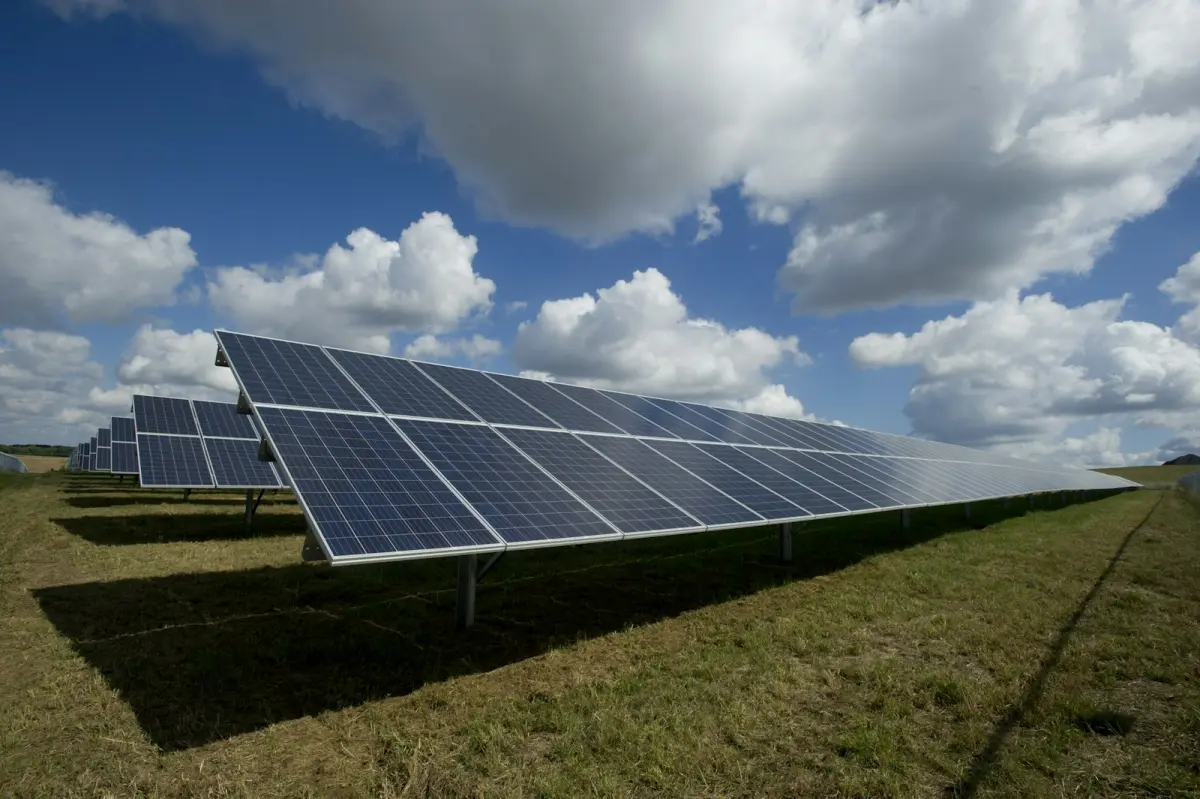
Yes. Josh is a certified solar installer, and a business with a big summer load and open exposure toward the water is a reasonable candidate. We look at your actual usage curve first, because a seasonal operation and a year-round one need very different system designs.
More Electrical Work Around the Lake
Residential work at the lake · Commercial electrical across our service area · All Smith Mountain Lake, VA services · Look at the work · Get pricing
Where We Cover on the Lake
Virginia’s largest lake was created in 1963, when Appalachian Power dammed the Roanoke River for hydroelectric generation, and the shoreline that filled in behind it has become one of the premier recreational and second-home destinations in the Southeast. We cover the commercial side of it across all three counties the water touches. Our shop is in Goode, roughly thirty five minutes north on Route 122, close enough that a service call does not turn into a half day of driving. Tell us what your property is doing wrong and we will come look at it.