Smith Mountain Lake Residential Electrical
Everyday home electrical work, done on a property where the weather comes off open water and half the year nobody is home to notice a problem starting. Bad outlets, dead circuits, porch fixtures, dock and boathouse power, lighting down the bank to the water. Josh handles the residential calls on this lake himself, meter in hand, and tells you plainly what he finds.
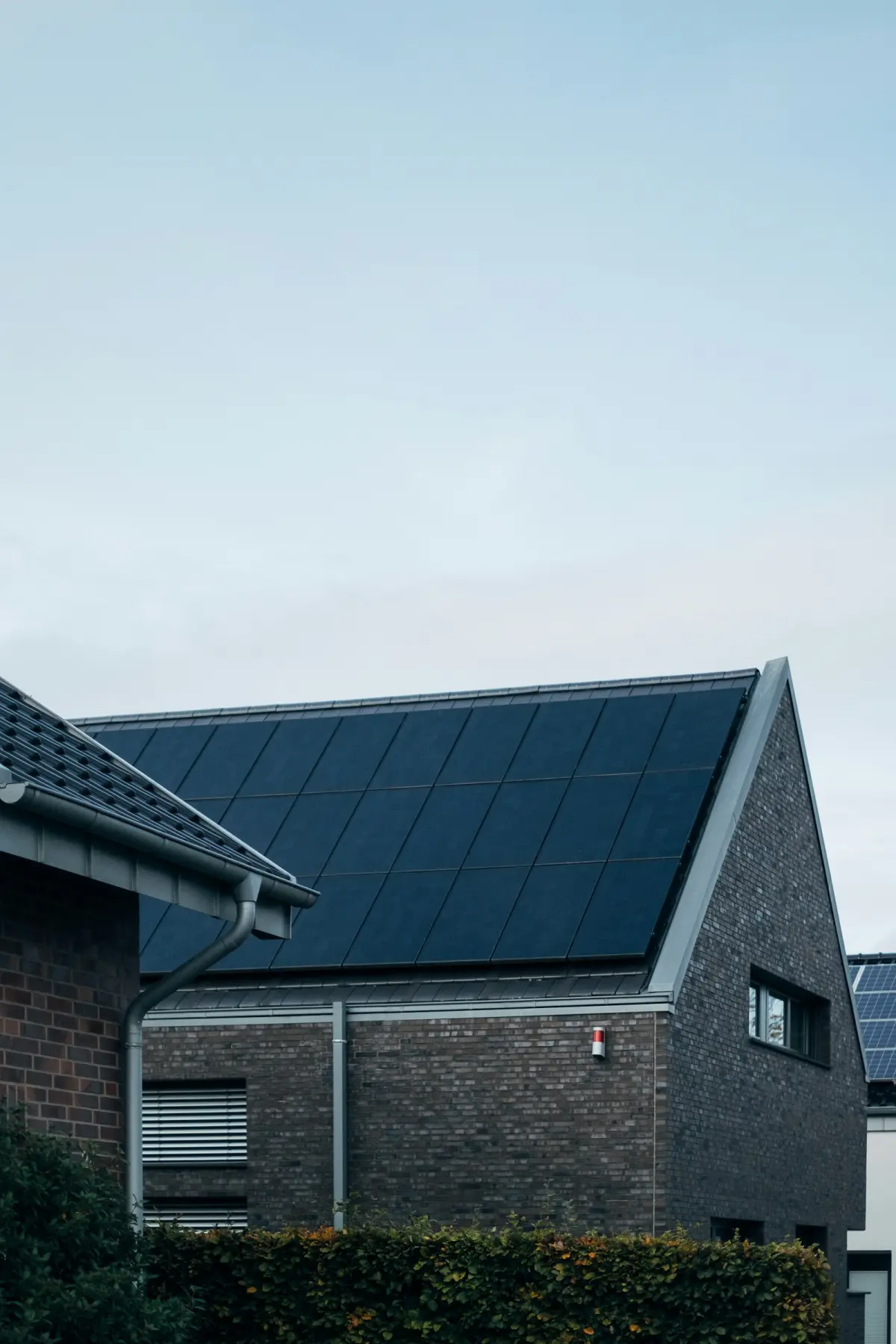
Everyday Home Wiring on a Lake Property
Most of what we do out here is ordinary work in an unusual setting. Adding a circuit for a second refrigerator in the garage. Chasing down the bedroom outlets that quit working sometime over the winter. Replacing a bathroom fan that has been groaning for two summers. Hanging fixtures in a screened porch that faces the water and takes weather from three directions. It is the same trade we practice anywhere in Bedford County, done with one eye on the fact that the humidity here never really lets up.
That setting changes small decisions. Devices on the water side of a house corrode faster, so we spec covers and boxes rated for damp and wet locations instead of hoping an indoor part survives outdoors. Runs that cross an unconditioned crawl space under a sloped lot want proper support and the right cable, because a sagging run in a damp crawl is the thing you end up paying to redo. None of that is exotic. It is the difference between work that lasts twenty years and work you call somebody about next spring, and it applies to a whole residential electrical package the same way it applies to one porch fixture.
Dock and Boathouse Circuits Done to Marine Code
Dock work is the one thing a lake house needs that an inland house never asks for. It carries its own rulebook, and the rulebook exists because water and electricity share space here in a way they do not anywhere else on the property. We wire docks to current marine electrical code: marine-rated outlets, dedicated boat lift circuits sized for the motor rather than borrowed off a convenience receptacle, and service equipment hardened for weather that arrives straight off open water.
The reason it matters has a name. Electric shock drowning happens when stray current from a fault energizes the water around a dock, and a swimmer in that water loses muscle control before anyone on shore understands what is happening. It is not a rare hypothetical on a lake this size, and it is the single strongest argument for having the dock inspected by somebody who does this work regularly rather than a handyman with a spool of romex.
Practically, that means GFCI protection on every dock circuit, and it means the inspection that proves the protection is doing its job. A breaker that trips when it should is the whole safety system. One that has been swapped for a standard breaker because it kept nuisance tripping is not a fixed problem, it is a masked one, and the trip was usually telling you something true about a lift motor or a buried splice. We track the fault down and correct it rather than defeating the device that found it.
Lighting a Sloped Shoreline Lot
Most properties on the water fall away from the house toward the shore, which makes lighting a real design problem instead of a shopping trip. Steps cut into a bank, a boardwalk down to the dock, a retaining wall, a path that curves out of sight from the porch. People walk all of it after dark carrying coolers and fishing rods, and the point of the lighting is that nobody puts a foot wrong on wet stone.
Fixtures get placed to graze the tread of a step rather than shine back up at whoever is climbing it, and circuits get split so the path can be lit while the dock stays dark. Anything at the bottom of the hill gets treated as the wet location it is: buried runs at proper depth in the right conduit, splices in listed enclosures instead of taped in a bush, and ground-fault protection with an in-use cover on every outdoor receptacle down there.
What a Seasonal House Needs Checked Before the Season
A second home is a different animal from a house somebody sleeps in every night. Nothing gets noticed early. A receptacle that has been running warm since October announces itself in June, and by then it has had eight months to do quiet damage behind the wall. So we do a walkthrough in the spring for a lot of owners before the family arrives, and it heads off most of what would otherwise become a holiday weekend phone call.
The list is not complicated. Test and reset every GFCI in the house and on the dock, because these devices fail closed as often as they fail open and a dead one gives you no warning. Pull the panel cover and look for corrosion, discoloration at the lugs, and any breaker that feels hot to the back of a hand. Check the well pump circuit, the water heater, and whatever runs the sump if there is one. Look at the lift motor connections before the first launch of the year rather than after.
Higher than average electric usage is normal here, and it comes from real things: boat lifts cycling, dock lighting on most of the night, and air conditioning working hard through July with the doors opening every ten minutes. A service that was adequate in 1985 is often at its limit now. We would rather tell you that in April, with time to plan the work, than in the middle of the week you drove three hours to enjoy.
Troubleshooting a House Nobody Has Been In
Opening up a place that has sat closed for three months is its own kind of call, and it usually starts the same way: half the house has power and half of it does not, and nobody knows when that started. There is no useful history to work from. Nobody heard a pop or smelled anything. The last person out in November turned off the water and left.
We work these backward from the panel with a meter and thermal imaging rather than guessing at devices. Long vacancies hand us a short list of usual suspects. Rodents get into a crawl space or an attic over the winter and chew insulation off a cable. Moisture finds a way into an exterior box whose gasket finally gave up. A ground fault device did exactly what it was built to do back in January and has been sitting tripped ever since, which is the best possible outcome and the one people are most likely to blame.
Whatever it turns out to be, you get told plainly what failed and why, and the repair gets done to current code with the paperwork behind it. If the honest answer is that the branch wiring in one wing is at the end of its life, we say that instead of patching the symptom and letting you rediscover it next season. That is what Josh means about not doing broken promises: the person who diagnosed it is the person who fixes it and the person you call if it acts up again.
Smith Mountain Lake Home Electrical Questions
Half my outlets quit and I have no idea when
That is one of the most common calls we get on a house that sits closed. We start at the panel with a meter rather than pulling devices at random, and the answer is usually one tripped protective device, one chewed cable, or one exterior box that took on water. You hear which it was, in plain terms.
Is my old dock wiring worth inspecting?
Almost always, especially if it predates you. Older docks were often wired without ground-fault protection, with indoor-grade devices, or with a lift sharing a circuit it should never have shared. We test what is there before adding anything to it, and tell you what is safe to keep.
What is electric shock drowning?
Stray current from a wiring fault leaks into the water beside a dock and paralyzes anyone who swims into it. They cannot swim out and frequently cannot call for help. Correct grounding, working ground-fault protection, and regular testing are what prevent it, which is why dock work here is a safety job rather than an amenity.
My lake house sits empty all winter. What should I check?
Test every protective device inside the house and out on the dock, look in the panel for corrosion or heat marks, and prove the well pump, water heater and lift connections before you lean on them. Plenty of owners have us do that in spring so the first weekend is not a service call.
Do you fix small things or only big projects?
Small things, gladly. A switch that sticks, a fan that rattles, one porch outlet that never worked right. Those calls are how most of our lake customers meet us.
Can outdoor lighting go in after the landscaping is done?
Yes, and it often does. Established beds and finished hardscape make trenching more careful work, not impossible work. We route around root zones and existing utilities and put the sod and mulch back behind us.
Other Lake Services
Commercial electrical at the lake · All Smith Mountain Lake services · See finished work · Send us the details
Put a Number on Your Lake House Job
Tell us what the house is doing, or what you want it to do, and we will come look at it. A walkthrough gets you a written quote with the scope spelled out, the parts named, and the reasoning behind both, so you can read it once and know exactly what you are buying. No pressure to expand the job while we are standing there.
Virginia master licensed, Navy veteran owned, six years in business, and headquartered close enough that the lake is a routine stop rather than a favor. The man who prices your work is the man who does it. Call, or send the details and we will follow up.
Bring us out to the water
Dock circuits, shoreline lighting, seasonal checks, or a mystery outlet that quit sometime over the winter.
Homes We Reach Around the Water
Smith Mountain Lake carries more than five hundred miles of shoreline across three counties, and the residential side of it is a routine stop for us out of Goode.