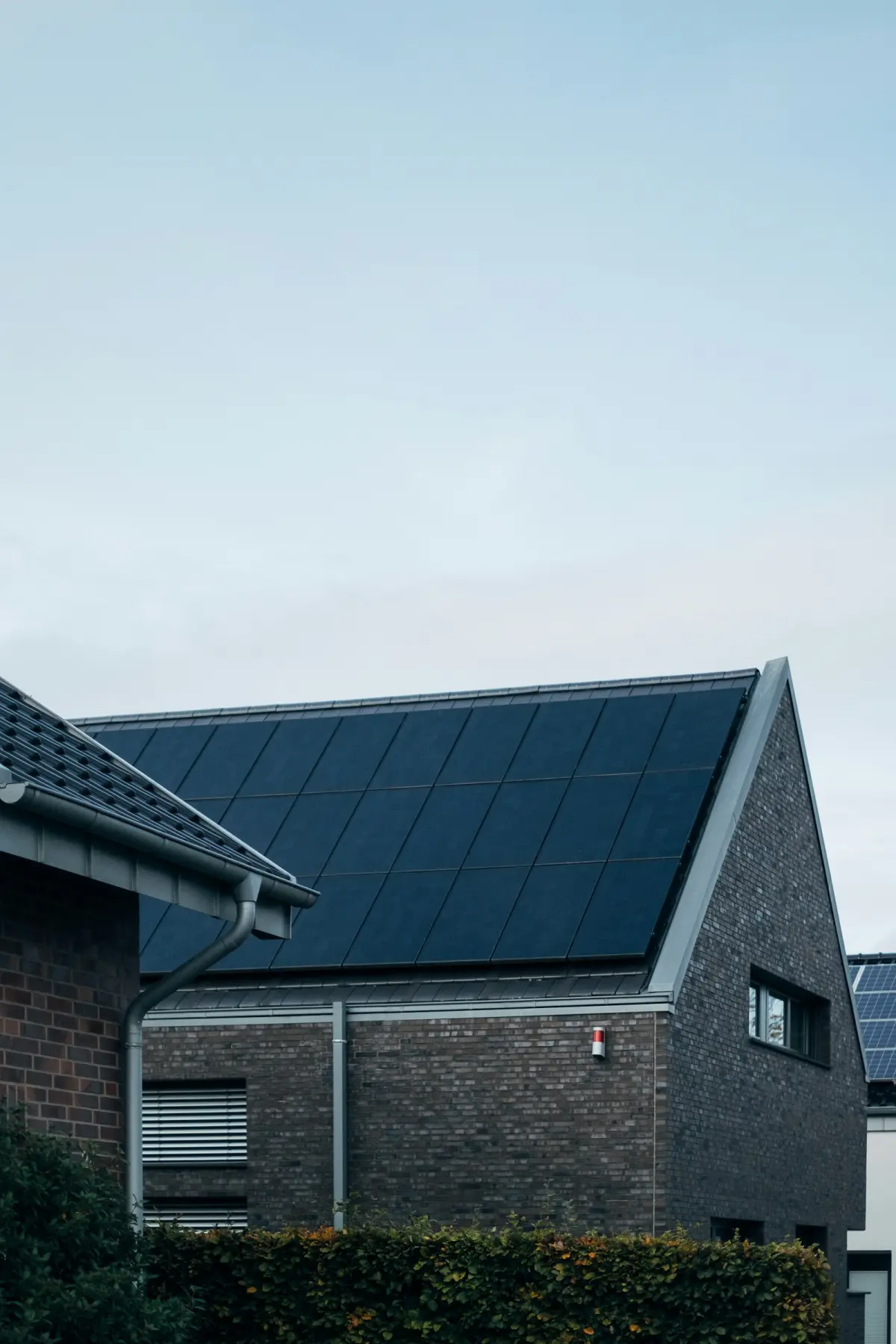
Panel Upgrades for Madison Heights Ranch Homes: When the 1960s Box Runs Out
Most Madison Heights ranch homes were wired between the 1950s and the 1970s with 100-amp service that fit the loads of the day. Central air, a heat pump, a well pump, an outbuilding, and maybe an EV push that panel past what it was built for. A 200-amp upgrade adds headroom, clears aging equipment, and brings the service up to current code.
Drive US-29 Business through Madison Heights and you are looking at a neighborhood built largely in the postwar decades. The ranch and split-level homes strung along the corridor and up the hillside streets went up when a wall oven, a window unit, and a few lamps were the entire electrical picture. The 100-amp panel the builder set was generous for that house. The problem is that the house grew up and the panel did not.
A panel upgrade is not a cosmetic swap. It is the single most consequential piece of electrical work in an aging home, because everything else in the house hangs off it. When the service is undersized, you do not just get an inconvenience. You get warm breakers, nuisance trips, and a system with zero headroom for the next thing you want to add. This is why so much of what we do in Madison Heights starts at the panel.
The Loads a 1960s Ranch Was Never Wired For
Think about what a Madison Heights ranch carries today that it did not in 1965. Central air conditioning and a heat pump are the big two, and both are heavy continuous loads. Add an electric range or a wall oven, an electric dryer, a dishwasher, a microwave, and the kitchen alone is asking for more circuits than the original panel had slots for. Stack a well pump on top, which many properties on the county edge run, and the picture gets tight fast.
Now bring the last decade into it. A hot tub. A workshop in the detached garage. A Level 2 EV charger for the commute across the river to Lynchburg. Each of those is a serious dedicated circuit, and each one wants capacity the original 100-amp service simply does not have to give. When a homeowner calls us because the lights dim when the AC kicks on, or the breaker trips every time the dryer and the microwave run together, the answer is almost never a bigger breaker. It is a bigger service.
Well Pumps and Outbuildings: The Madison Heights Wildcards
Two loads get forgotten in a lot of panel conversations, and both are common out here on the Amherst County edge. The first is the well pump. Homes not on municipal water run a submersible pump on a dedicated 240-volt circuit, and it is a hard-starting motor load that pulls a surge every time it kicks on. A panel already near capacity feels that pump start as a dip, and a marginal service gets pushed over the line by it.
The second is the outbuilding. A detached garage, a barn, a shop, or a pole building needs its own feeder and usually its own sub-panel, not a string of extension cords run out the back door. When we size a new 200-amp service for a Madison Heights property, we account for the well pump and the outbuilding as real loads, because a panel upgrade that ignores them is a panel upgrade that runs out of room again in two years. Whether you need a full panel upgrade in Madison Heights or a sub-panel feeding a shop, the load calculation has to reflect how the property actually runs.
Federal Pacific and the Panels You Replace on Sight
Some panels are not just undersized, they are unsafe. Federal Pacific Electric panels with Stab-Lok breakers turn up constantly in Madison Heights’ mid-century housing, and they carry a documented history of breakers failing to trip under overload. That is the one job a breaker exists to do, and when it does not, a faulted circuit that should have shut off keeps feeding. Independent testing has flagged these for decades. Pushmatic panels are a related concern: aging, hard to source parts for, and often running on worn contacts.
If you open your Madison Heights panel and see a Federal Pacific or FPE label, or a Pushmatic with push-button breakers, that is not a wait-and-see situation. Replacing it with a modern, properly rated 200-amp panel removes a real fire risk and resets your home’s electrical safety clock. It also reads clean on a home inspection, which matters the day a commuter family comes to look at your house and their inspector opens that box.
What a Proper Upgrade Actually Involves
A real panel upgrade is more than screwing a new box to the wall. We size the new service to an actual load calculation, not a guess, folding in the well pump, the outbuilding, and any EV or solar plans on the horizon. We replace the panel, the meter base, the grounding, and the bonding as one coordinated job, because doing the panel and leaving the grounding untouched is how you inherit somebody else’s shortcut.
The utility side matters too. Appalachian Power has to disconnect the service so the work happens safely, then reconnect and reset the meter once the new equipment is inspected. We coordinate that directly, so you are not the middleman between the power company and the county. We pull the Amherst County permit, schedule the inspection, and stand there when the inspector walks it. If you are on a well, we tell you the power-out window up front so you can fill a reserve. The point is to do it once, do it to code, and leave a service the next owner’s inspector has nothing to flag.
Why a Bigger Breaker Is the Wrong Fix
When a breaker trips repeatedly, the instinct, and unfortunately the advice a homeowner sometimes gets, is to swap it for a bigger one. That is one of the most dangerous shortcuts in residential electrical work, and it comes up constantly on aging Madison Heights ranch panels. A breaker is not the problem; it is the warning. Its entire job is to trip before the wire behind it overheats. The breaker size is matched to the gauge of the wire it protects, so a 15-amp circuit is wired to handle 15 amps and no more. Put a 20-amp breaker on that same wire and you have not added capacity, you have removed the safety margin. The breaker will now let more current flow than the wire is rated to carry, and the wire, not the breaker, becomes the thing that overheats inside your wall.
This is why a real panel upgrade adds capacity properly, by bringing in a larger service and running correctly sized circuits, rather than by defeating the protection that is already there. When we look at a Madison Heights panel that keeps tripping, we are asking why the load exceeds the circuit, not how to make the trip go away. Sometimes the answer is a dedicated circuit for a load that never had one. Sometimes it is a genuine service upgrade because the whole panel is maxed out. It is never a bigger breaker on undersized wire, and any electrician who reaches for that as a first move is telling you something about how they work.
The Home Sale Angle Madison Heights Sellers Miss
There is a practical reason to handle the panel before you list the house, beyond safety and convenience. When a buyer’s home inspector opens an aging or overloaded panel, or worse, finds a Federal Pacific or fuse box, it becomes a line item in the negotiation. Buyers get nervous about electrical, their agent flags it, and the repair either becomes a price concession or a condition of sale done on a rushed timeline with whatever electrician is available. Either way, you lose control of the cost and the schedule.
Doing the upgrade on your own terms, before the sign goes in the yard, flips that. A modern, permitted 200-amp panel reads clean on the inspection report, removes a common objection, and quietly signals to a buyer that the house has been taken care of. For a Madison Heights ranch that is going to attract exactly the Lynchburg-commuter buyers who want an EV charger and modern appliances, a service that can obviously support all of that is a selling point, not a liability. The permit paperwork we leave you with is part of that record, documenting that the work was done right and inspected.
Madison Heights Panel Upgrade FAQ
How do I know if my ranch needs a panel upgrade?
Telltale signs: a 100-amp main breaker, warm breakers, flickering or dimming when the AC or well pump starts, breakers that trip when two big appliances run together, or a full panel with no room for a new circuit. A Federal Pacific or fuse-box panel is reason to upgrade regardless of capacity. We open the box and give you a straight read.
Will the upgrade account for my well pump and shop?
It should, and we make sure it does. The well pump is a hard-starting motor load and a detached shop needs its own feeder. We fold both into the load calculation so the new 200-amp service actually carries what your property uses, not just what the house used in 1965.
How long is the power out during the upgrade?
There is a window without power while the old panel comes out, the new one goes in, and Appalachian Power handles the disconnect and reconnect. We keep it as short as possible and tell you the realistic timeframe up front so you can plan, especially if you are on a well.
Do I need this before adding an EV charger or solar?
Often, yes. A 100-amp panel frequently cannot carry a 50-amp EV circuit or a solar interconnection on top of existing loads. When we quote either job and the panel cannot handle it, the upgrade becomes step one, and we tell you before any work starts.
Do you handle the permit and utility coordination?
Yes. HOLISTIQ pulls the Amherst County permit, coordinates the Appalachian Power disconnect and reconnect, schedules the inspection, and is on site when the inspector comes through. You do not chase the county or the utility.
Is Your Madison Heights Ranch Outgrowing Its Panel?
Navy veteran, master-licensed electrician. Josh does the work himself. No subcontractors, no broken promises.
Get a Free Quote (603) 777-2596Madison Heights service area · panel upgrades · More posts · Get a free quote